

September 14, 2025
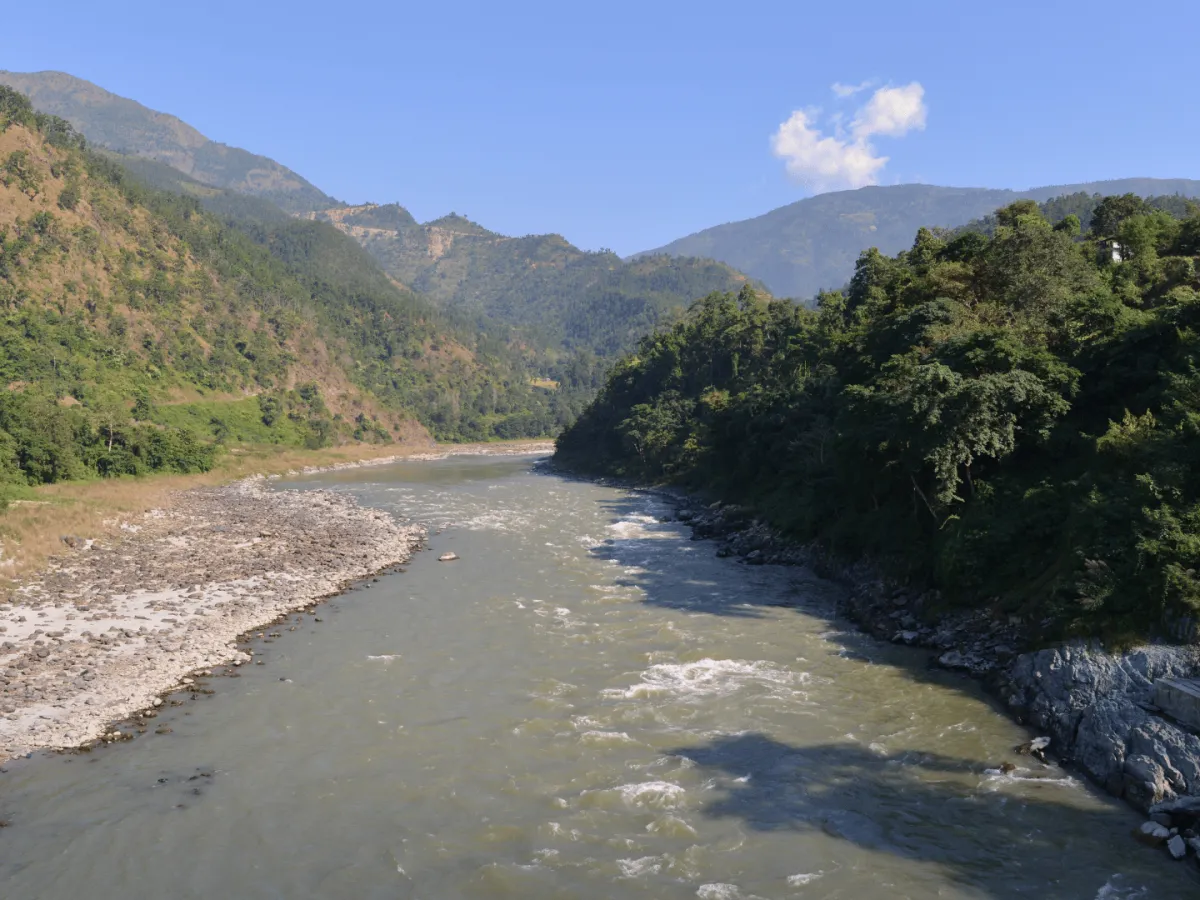
Table of Contents
Introduction
Parbat District in Gandaki Province is blessed with magnificent rivers that shape its geography, sustain livelihoods, and enrich cultural life. Among these waterways, two stand out for their significance and natural grandeur the Kali Gandaki River and the Modi River. Both rivers are not only vital for the district’s ecology and economy but also serve as attractions for pilgrims, adventurers, and nature lovers.
Kali Gandaki River – The Sacred and Mighty Flow
The Kali Gandaki River is one of the most important rivers in Nepal, revered for its spiritual, cultural, and geographical significance. Originating in the Tibetan plateau, it carves its way through the Himalayas, creating the world-famous Kali Gandaki Gorge, which is considered one of the deepest in the world.
Religious and Cultural Significance
Hindus regard the Kali Gandaki as sacred, as it is associated with Lord Vishnu. The river is renowned for its Shaligram stones, which are worshipped as divine symbols of Vishnu. Pilgrims often collect these stones along the riverbanks, making it a spiritual journey as well as a natural one.
Adventure and Tourism
The river is also a hub for adventure tourism. Rafting and kayaking expeditions on the Kali Gandaki are considered thrilling, with rapids that attract adventurers from around the world. The dramatic landscapes along its banks, including cliffs, waterfalls, and small villages, create a breathtaking backdrop for exploration.
Economic and Environmental Role
Locals depend on the river for irrigation, fishing, and daily needs. Its waters nurture terraced fields that line the hillsides, making agriculture possible in this hilly region. At the same time, the river sustains diverse ecosystems, providing habitats for aquatic life and wildlife along its course.
Modi River – A Lifeline of Parbat
The Modi River may not be as large as the Kali Gandaki, but it holds immense importance for the Parbat and neighboring districts. Originating from the Annapurna Himalayan range, the Modi River flows through picturesque valleys before meeting the Kali Gandaki.
Hydropower and Development
One of the most significant aspects of the Modi River is its contribution to hydropower generation. Several hydropower projects harness its swift currents, supplying electricity to local communities and beyond. This makes the river both an ecological treasure and a driver of modern development.
Agricultural Support
The river’s waters are channeled into irrigation systems that sustain farming communities. Fields of rice, maize, and millet thrive along its fertile banks, ensuring food security and income for locals.
Natural Beauty and Tourism
Flowing through lush valleys, the Modi River offers striking views for trekkers and visitors traveling in the region. Its crystal-clear waters and surrounding greenery make it an inviting site for photography, picnics, and short hikes.
Conclusion
The Kali Gandaki River and the Modi River are more than waterways—they are lifelines that define Parbat District’s natural beauty, spirituality, and livelihood. While Kali Gandaki embodies grandeur, divinity, and adventure, Modi represents sustainability, development, and local resilience. Together, these rivers form the pulse of Parbat, sustaining both its people and its timeless landscapes.


-(1)-thumb.webp)