


September 14, 2025
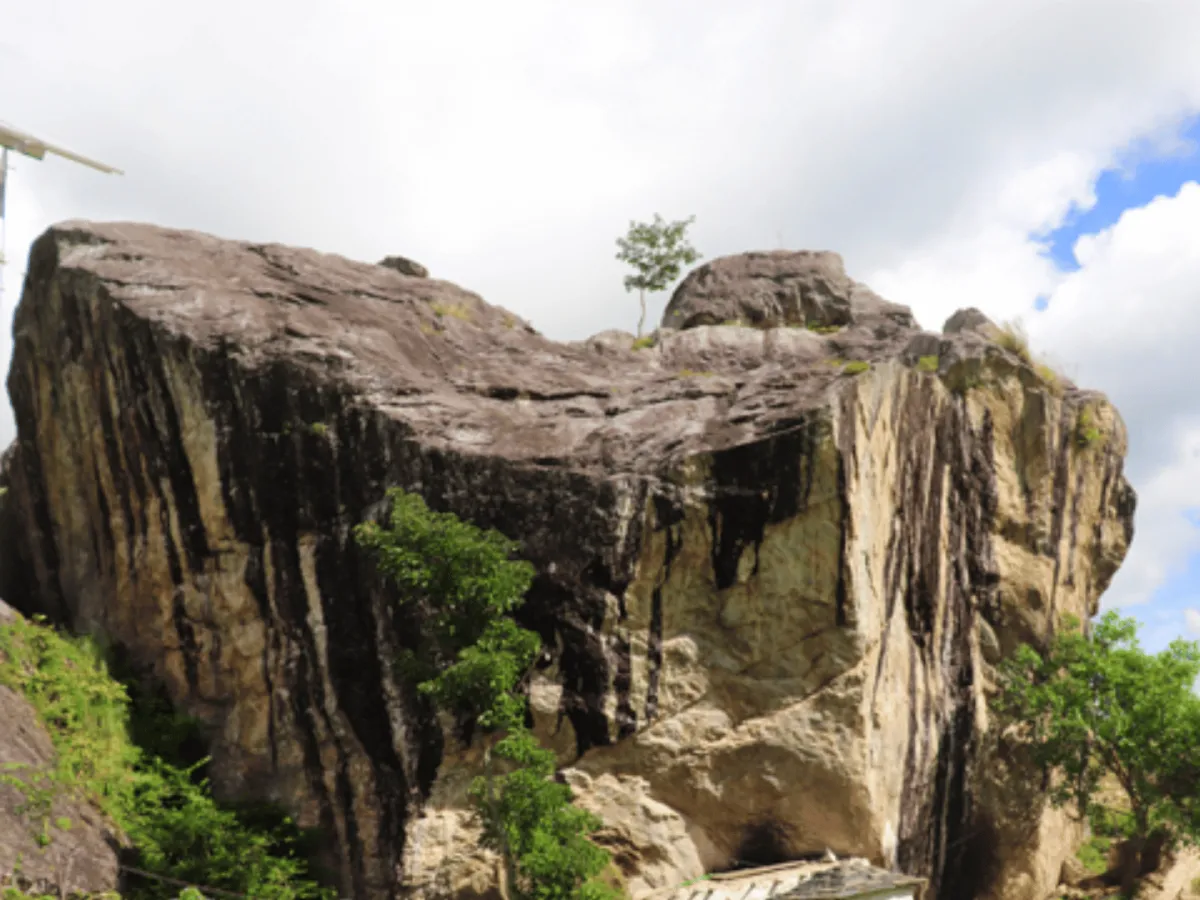
Table of Contents
Nestled in the serene hills of Parbat District in Gandaki Province, Mahashila Rural Municipality (महाशिला गाउँपालिका) is one of Nepal’s lesser-known yet culturally rich destinations. While it may not appear on mainstream tourist itineraries, Mahashila offers a unique blend of natural beauty, agricultural traditions, and community life that reflects the authentic charm of rural Nepal.
Geography and Location
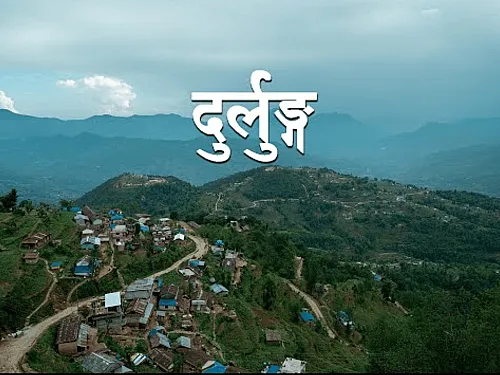
Mahashila lies in the southeastern part of Parbat District, bordered by Syangja and Kaski districts. Spread across rolling hills, fertile valleys, and scattered rural settlements, the area is characterized by terraced fields and dense forests. The elevation ranges from low river basins to mid-hill ridges, making it suitable for both agriculture and eco-tourism.
Its proximity to Pokhara (roughly a few hours’ drive) makes it accessible yet remote enough to preserve its tranquil environment.
Administrative Structure
Mahashila Rural Municipality was formed during Nepal’s local government restructuring in 2017. Smaller Village Development Committees (VDCs) were merged to create a single local governance unit. The municipality is divided into several wards, each representing distinct villages and communities.
Local governance here focuses on:
Basic infrastructure like roads and bridges.
Education and healthcare improvement.
Promoting local agriculture and small-scale industries.
Preserving cultural heritage.
People and Culture
The population of Mahashila is diverse, with communities including Brahmin, Chhetri, Magar, Gurung, and Dalit groups. The people primarily follow Hinduism and Buddhism, with traditional rituals, jatras, and local festivals celebrated throughout the year. Dashain, Tihar, Maghe Sankranti, and local harvest festivals bring families together in vibrant gatherings.
Hospitality is at the core of life here. Visitors are often welcomed with local food like dhido, gundruk, millet roti, and fresh dairy products.
Economy and Livelihood
Agriculture remains the backbone of Mahashila’s economy. Farmers cultivate maize, millet, rice, wheat, and vegetables on terraced lands. Citrus fruits, ginger, and seasonal crops are also major sources of income. Animal husbandry—especially goats and buffaloes—contributes to daily livelihood.
In recent years, remittance has played a crucial role, as many young people from Mahashila work abroad in Gulf countries, Malaysia, Korea, and beyond. The money they send home supports education, housing, and local businesses.
Natural Beauty and Attractions
Though Mahashila is not yet a mainstream tourist hub, its landscapes are breathtaking:
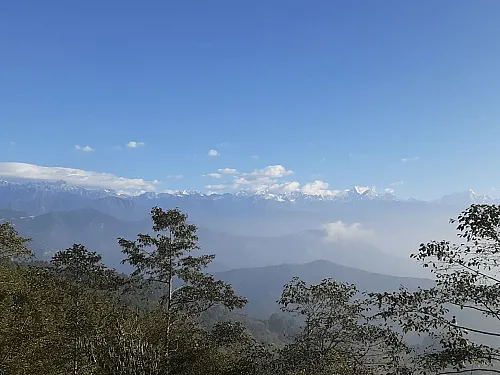
Hills and Ridges: The surrounding ridges provide panoramic views of the Annapurna and Dhaulagiri ranges on clear days.
Rivers and Streams: The Modi River and its tributaries enrich the land, offering spots for fishing, swimming, and relaxation.
Forests and Trails: Mahashila is dotted with lush forests that provide natural hiking trails, rich in biodiversity.
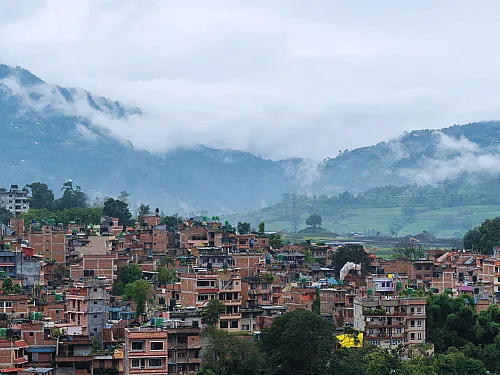
Local Villages: Traditional houses built with stone and mud showcase the timeless architecture of rural Nepal.
Infrastructure and Development
Like much of rural Nepal, Mahashila faces challenges in infrastructure. Road access has improved but many villages still depend on unpaved tracks. Electricity coverage is expanding thanks to national grid and small hydropower projects. Schools and health posts are present but often lack advanced facilities.
The local government, however, has been prioritizing:
Upgrading roads and footbridges.
Encouraging investment in education.
Developing safe drinking water systems.
Promoting agro-based entrepreneurship.
Potential for Tourism
Mahashila has untapped potential for rural tourism and eco-tourism. With proper promotion, it can attract:
Trekkers looking for off-the-beaten-path trails.
Cultural tourists interested in authentic Nepali village life.
Agro-tourism enthusiasts curious about organic farming and local cuisine.
Homestays can be developed to provide visitors with immersive experiences while creating income opportunities for locals.
Challenges Ahead
Despite progress, Mahashila faces challenges such as:
Limited road infrastructure in remote wards.
Youth migration leading to labor shortages.
Dependence on remittance rather than local industries.
Need for sustainable development that balances modern facilities with environmental conservation.
The Future of Mahashila
With strong community spirit and government initiatives, Mahashila Rural Municipality holds promise. Investments in agriculture, education, small enterprises, and eco-tourism could transform it into a model rural municipality in western Nepal.
The blend of natural beauty, hardworking people, and cultural richness makes Mahashila not just a geographic unit on Nepal’s map, but a living, breathing community with endless potential.
Conclusion
Mahashila Parbat is more than just a rural municipality—it is a reflection of Nepal’s resilience and rural charm. For travelers seeking authenticity, for planners envisioning sustainable development, and for locals striving for progress, Mahashila is a story of hope.
By preserving its traditions while embracing change, Mahashila has the potential to shine as a hidden gem of Gandaki Province and a proud part of Nepal’s rural landscape.


-(1)-thumb.webp)