


September 14, 2025
-(1)-large.webp)
Table of Contents
Introduction
High above the bustling settlements of Parbat District stands Gaindakot Shiva Temple, a hilltop sanctuary where devotion and nature converge. Revered by locals and admired by travelers, the temple offers not only spiritual solace but also sweeping vistas of Himalayan peaks, river valleys, and terraced hillsides. It is a destination where pilgrims seek divine blessings, and wanderers find peace in the grandeur of the landscape.
Historical and Religious Background
The origins of Gandakot Shiva Temple are steeped in folklore. Locals recount tales of sages and devotees who meditated in the forests and caves surrounding the hill, eventually establishing a shrine dedicated to Lord Shiva. Over generations, this modest shrine evolved into a temple that became a spiritual anchor for surrounding communities. Festivals, rituals, and annual fairs at the temple continue to draw worshippers from Parbat and neighboring districts.
Architectural and Natural Setting
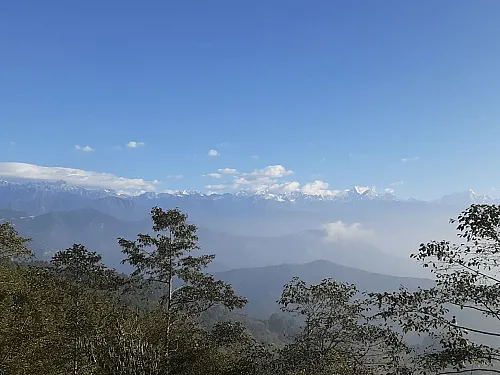
Perched atop Gandakot hill, the temple exemplifies the harmonious blend of traditional Nepali architecture and natural beauty. Constructed using stone and wood, the temple structure is simple yet sacred, adorned with prayer bells, tridents, and colorful flags fluttering in the mountain breeze. Its elevated position provides a commanding view of Dhaulagiri, Annapurna, and Machhapuchhre alongside the serpentine flow of the Kali Gandaki River.
Religious Importance
The temple is a focal point of worship for devotees of Lord Shiva. Maha Shivaratri transforms Gandakot into a hub of spiritual energy, as pilgrims light butter lamps, chant hymns, and offer bel leaves, milk, and incense to the deity. Throughout the year, villagers visit the temple to pray for health, prosperity, and protection. Rituals performed here intertwine with ancestral customs, reinforcing the role of religion in community life.
Festivals and Cultural Activities
During festive seasons, Gandakot Temple becomes more than a religious site—it transforms into a cultural gathering place. Villagers bring offerings, organize communal feasts, and perform traditional dances to honor their faith. Local musicians play madal, damaha, and other instruments, filling the hilltop with rhythm and melody. These celebrations bind communities together, preserving customs that have endured for generations.
Tourism and Spiritual Journey
For travelers, Gandakot Temple offers a unique fusion of pilgrimage and adventure. The trek to the hilltop winds through terraced fields and scenic trails, making the journey as rewarding as the destination. Visitors often linger to capture the panoramic views and to meditate in the tranquil setting. As community-based tourism grows in Parbat, Gandakot Temple has become a favored stop for those seeking authentic cultural and spiritual experiences.
Challenges and Preservation
Despite its significance, Gandakot Temple faces challenges of modernization and environmental stress. The rise of concrete structures and deforestation in surrounding areas risk overshadowing the temple’s traditional charm. However, local authorities and religious groups are actively promoting preservation efforts, ensuring that Gandakot remains a sacred and sustainable site for generations to come.
Conclusion
Gandakot Shiva Temple is not merely a hilltop shrine; it is a testament to faith, heritage, and the enduring bond between people and the divine. Its panoramic views and sacred aura make it a sanctuary where tradition and spirituality flourish side by side. For both pilgrims seeking blessings and travelers searching for inspiration, Gandakot offers an unforgettable experience—one that elevates both the body and the spirit.


-(1)-thumb.webp)