

September 14, 2025

Table of Contents
Introduction
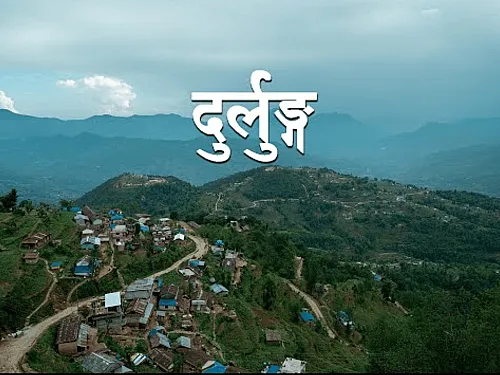
Tucked away in the hills of Parbat District, Gandaki Province, Durlung Village is a living repository of Nepal’s cultural and historical wealth. Unlike bustling urban centers, this settlement retains its authentic rural charm, offering visitors a rare glimpse into centuries-old traditions and community lifestyles. Its cultural heritage, scenic surroundings, and harmonious way of life make it one of the most fascinating destinations in Nepal’s mid-hills.
Historical Background
Durlung carries a rich history shaped by the migration and settlement patterns of Nepal’s diverse ethnic groups. Oral narratives suggest that Magar and Brahmin communities were among the first to establish roots here, developing agricultural practices that remain central to the village economy. Over the centuries, Durlung has served as a crossroad for traders, travelers, and pilgrims moving between Baglung, Kushma, and Pokhara.
Traditional Settlement Patterns
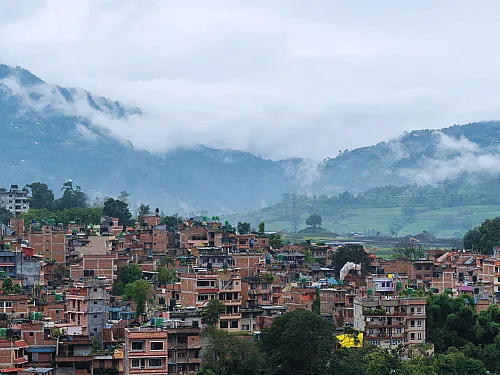
The architectural landscape of Durlung is a striking feature that distinguishes it from many other villages. Homes are built in clustered formations, reflecting both communal values and defense-oriented planning of the past. Stone-paved alleys, mud-plastered walls, and intricately carved wooden windows are enduring symbols of rural craftsmanship. The rooftops, often covered with slate or thatch, complement the rolling green hills, creating a serene visual harmony.
Cultural Heritage and Practices
Durlung is a vibrant cultural center where festivals, rituals, and oral traditions remain alive. Seasonal celebrations such as Maghe Sankranti, Dashain, and Tihar are marked with traditional dances, music, and communal feasts. The Magar community contributes folk dances and war songs, while Brahmin and Chhetri households engage in Vedic rituals and storytelling. These practices not only preserve identity but also strengthen intergenerational bonds within the community.
Religious and Spiritual Significance
Several shrines and temples dot the village landscape, adding to its spiritual atmosphere. Local deities and ancestral gods are worshipped with offerings of grains, flowers, and butter lamps. Community priests and shamans continue to perform rituals that blend Hinduism with indigenous practices, reflecting Nepal’s unique spiritual diversity. Pilgrims passing through the area often stop at Durlung to participate in or observe these sacred rites.
Agriculture and Livelihood
Farming remains the cornerstone of life in Durlung. The terraced fields that cascade down the hillsides are cultivated with maize, millet, rice, and seasonal vegetables. Livestock rearing complements agricultural production, while small-scale trade and remittances have recently contributed to household incomes. Despite modernization, traditional farming methods and communal labor-sharing systems, such as “parma” (reciprocal labor exchange), are still practiced.
Tourism Potential
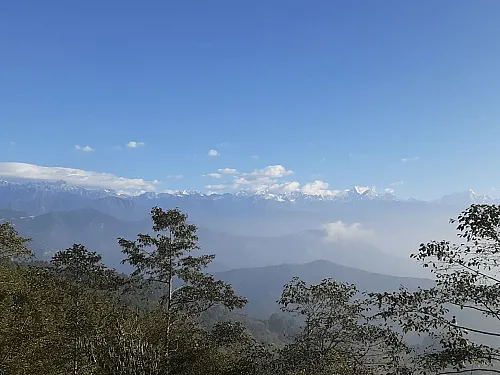
Though not as well known as Kushma or Pokhara, Durlung has immense potential for community-based tourism. Visitors are drawn to its authentic rural lifestyle, cultural richness, and breathtaking views of the Annapurna and Dhaulagiri ranges. Homestay initiatives are gradually developing, allowing travelers to experience local hospitality, cuisine, and customs firsthand. Cultural tourism, combined with eco-friendly trekking routes, could make Durlung a hidden gem in Nepal’s tourism landscape.
Challenges and Preservation
Like many rural settlements, Durlung faces challenges such as youth migration, economic pressures, and modernization. Traditional houses are increasingly being replaced by concrete structures, which threaten the preservation of the village’s historic character. However, local leaders and heritage enthusiasts are working to promote cultural preservation, encouraging younger generations to value their roots while embracing sustainable development.
Conclusion
Durlung Village is not merely a geographical location—it is a living narrative of tradition, resilience, and cultural identity. From its unique settlement patterns and sacred rituals to its agricultural backbone and warm community spirit, the village encapsulates the essence of Nepal’s rural heritage. For visitors seeking authenticity and for locals striving to safeguard their legacy, Durlung stands as a testament to the enduring power of tradition in a rapidly changing world.


-(1)-thumb.webp)