

September 14, 2025
Introduction
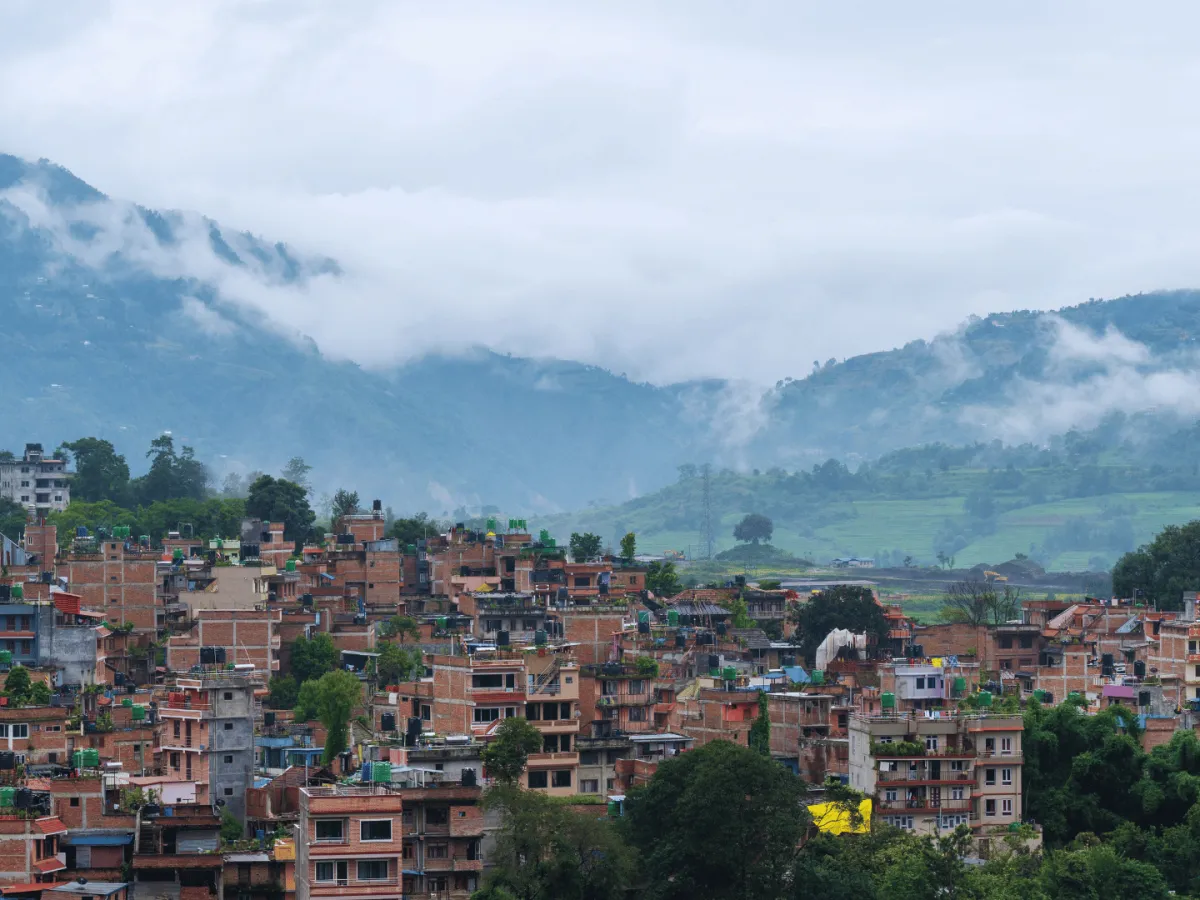
Parbat District is a small yet culturally rich district located in the Gandaki Province of Nepal. With its headquarters in Kushma, it is famous for its natural beauty, religious sites, and historical significance. Despite its modest size, Parbat has contributed greatly to Nepal’s history, culture, and socio-economic development.
Historical Background
Parbat has a deep historical background rooted in the ancient Khas and Magar kingdoms. It was once part of the Chaubise Rajya (24 principalities) that ruled central Nepal before unification. Later, during Prithvi Narayan Shah’s campaign, Parbat was integrated into the Kingdom of Nepal. Its strategic location along trade routes connecting Mustang, Baglung, and Pokhara made it an important commercial hub in earlier centuries.
Geography and Location
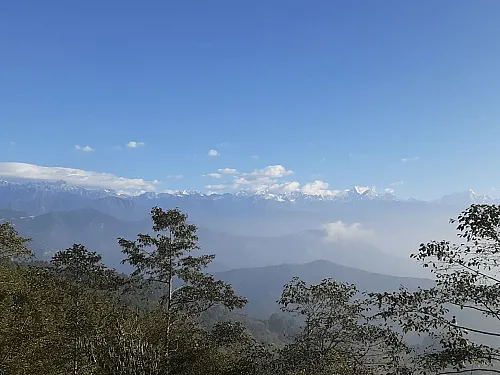
Parbat covers an area of around 494 square kilometers. The district is bordered by Baglung, Myagdi, Kaski, and Syangja. The Kali Gandaki River flows through its valleys, carving one of the deepest gorges in the world. The elevation ranges from mid-hills to high ridges, offering spectacular views of Dhaulagiri, Annapurna, and Machhapuchhre.
Culture and People
The district is home to diverse ethnic groups including Magar, Brahmin, Chhetri, Gurung, and Newar. Each community contributes unique festivals, languages, and traditions. Magar dances, Newar jatras, and Hindu rituals are celebrated with equal enthusiasm. Dashain, Tihar, Maghe Sankranti, and local fairs are integral to the cultural fabric of Parbat.
Religious and Historical Sites
Patheshwar Temple (Kushma): One of the most revered Shiva temples in the region.
Kushma Suspension Bridge: Among the longest pedestrian suspension bridges in Nepal.
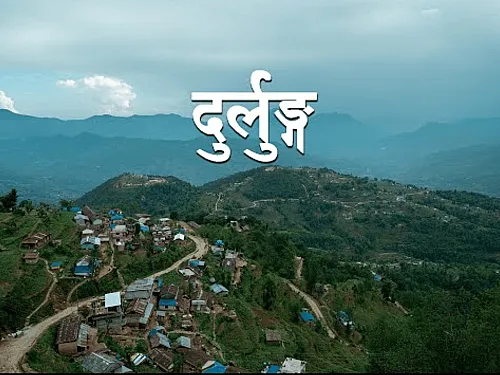
Durlung Village: Preserves traditional settlement and cultural history.
Kali Gandaki Gorge: A sacred and adventurous site for rafting and exploration.
Economy and Development
Agriculture remains the backbone of Parbat’s economy, with crops like rice, maize, millet, and seasonal vegetables. In recent years, remittances from abroad and small-scale industries such as hydropower, tourism, and handicrafts have fueled local development. Kushma is growing as a center for trade, banking, and education.
Conclusion
Parbat District, though small in size, embodies a remarkable blend of history, culture, religion, and natural beauty. From its role in Nepal’s unification to its standing as a hub of pilgrimage and adventure, Parbat holds a distinctive place in the country’s narrative. It continues to inspire devotion, attract visitors, and preserve traditions that define the identity of Nepal’s mid-hills.


-(1)-thumb.webp)